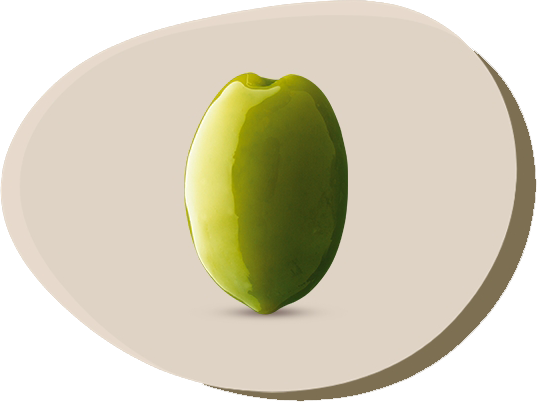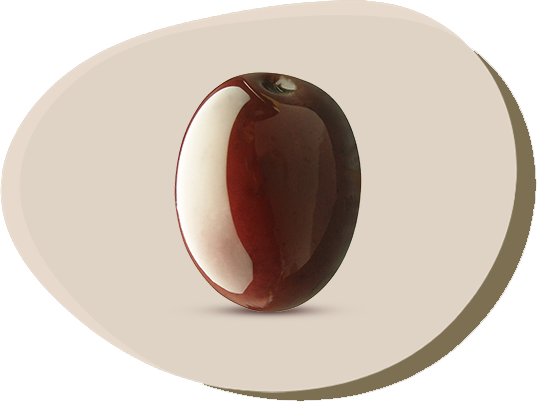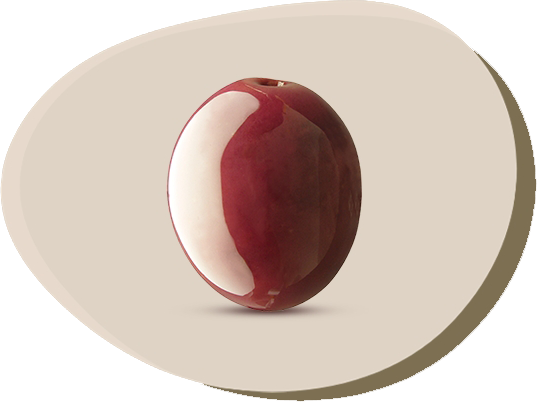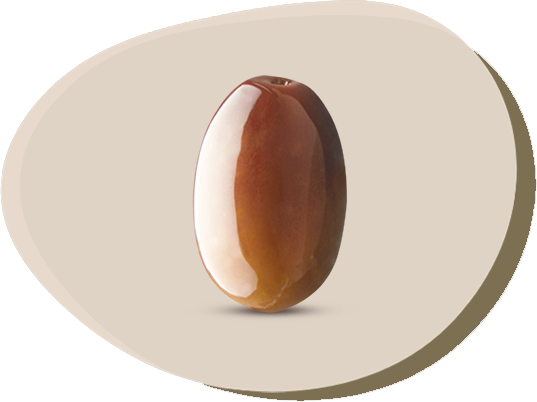

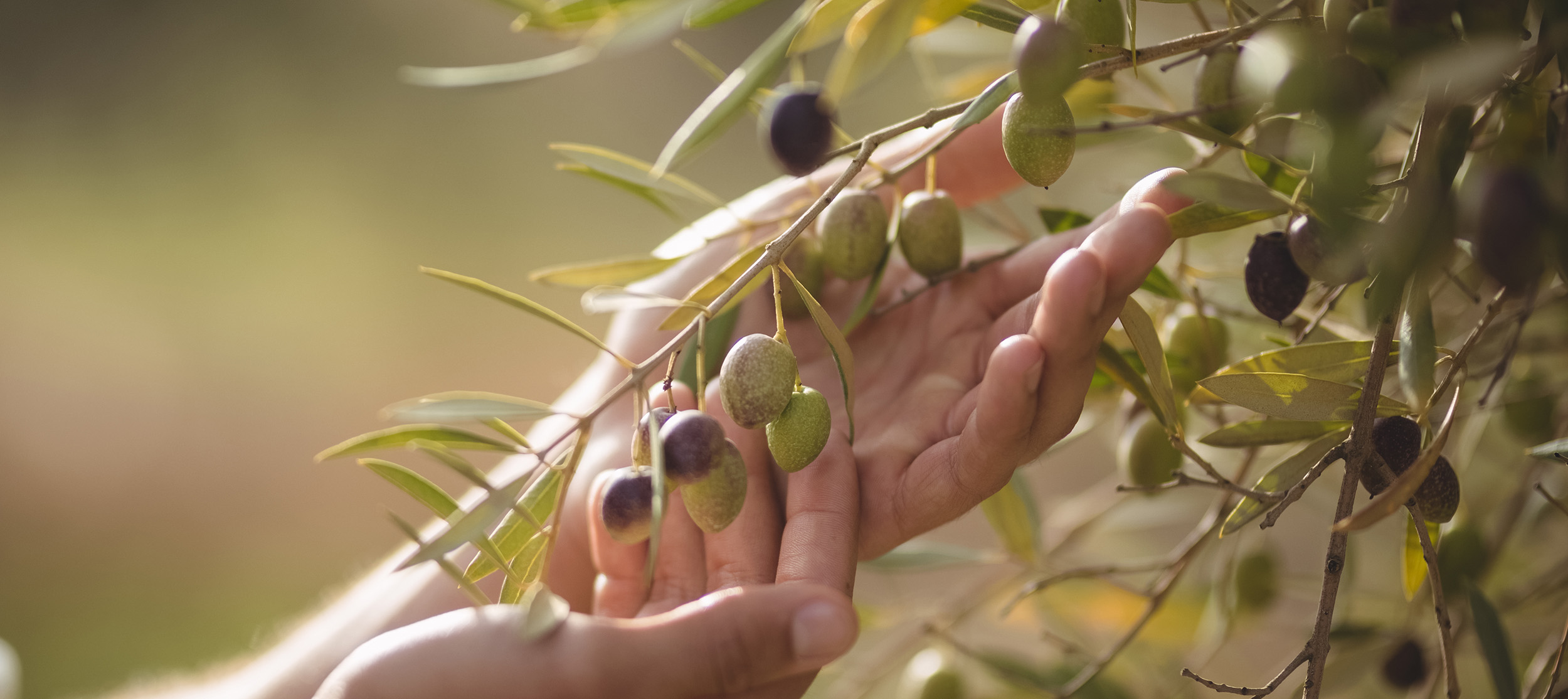
The history of the olive tree is a millennia-old story of resilience and adaptation, interwoven with the great civilisations of the Mediterranean. Its origins lie between the Fertile Crescent and Mesopotamia. Domestication of the tree took place around 5000 BC in the Middle East.
Olive trees and olive oil were already known and used by the ancient Egyptians, Sumerians and Phoenicians, however, olive cultivation largely developed on the island of Crete during the Minoan civilisation (c. 3000–1100 BC). From there, the tree spread throughout the Mediterranean. The Greeks, who regarded the olive as a divine gift, began cultivating it around 2000 BC. It later became central to Roman economy and culture, with the Romans refining cultivation techniques and expanding olive growing across all provinces of the Empire, including Spain, North Africa and Gaul. From there began its unstoppable expansion across the world.
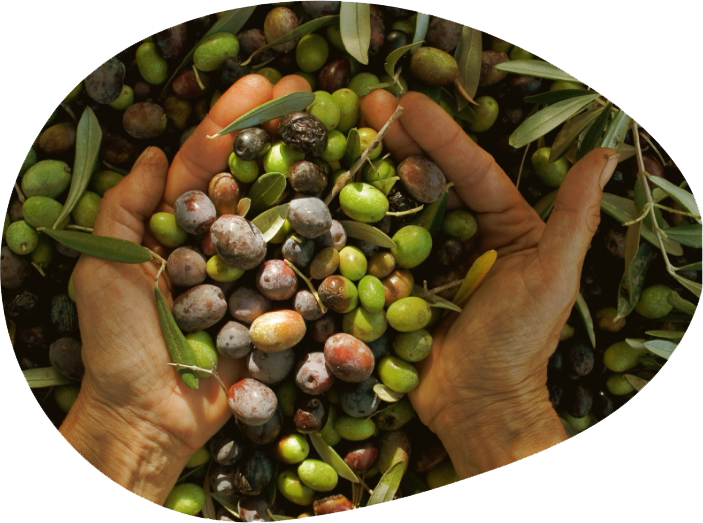
Notes on cultivation
The olive tree is highly resilient, capable of surviving in poor, arid soils and can live for hundreds or even thousands of years. Its cultivation requires a Mediterranean climate, with mild winters and hot, dry summers. The choice of cultivar is closely tied to the climate and soil: each has specific needs and reacts differently to environmental factors.
A crucial aspect in selecting cultivars is their natural resistance to diseases and pests, which can be enhanced through sustainable cultivation techniques.
In addition, each variety has different ripening and harvesting times. The combination of all these – and many other – factors ultimately determines the sensory characteristics of olives and their distinctive flavour.
Table olive cultivars

Halkidiki

Leccino
Gaeta

Taggiasca
Bella di Puglia

Nocellara Etnea
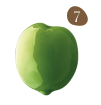
Nocellara del Belice

Kalamata
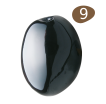
Conservolea