

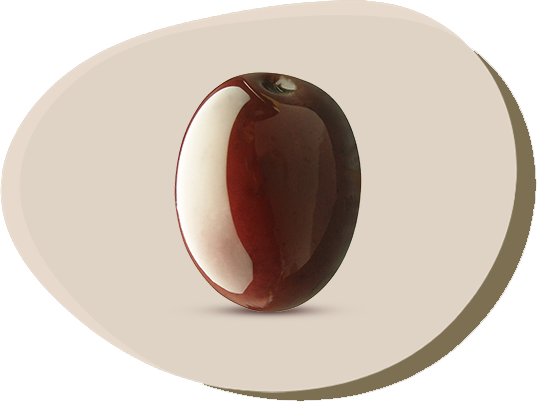
Leccino Olive
Botanical name
Olea europea var. Leccino.
Origin
Central Italy, particularly Tuscany and Umbria.
Harvest period
Harvesting takes place when the fruit reaches the appropriate degree of ripeness depending on its destination (oil or table olives). In warmer areas, harvesting begins in October and continues until December.
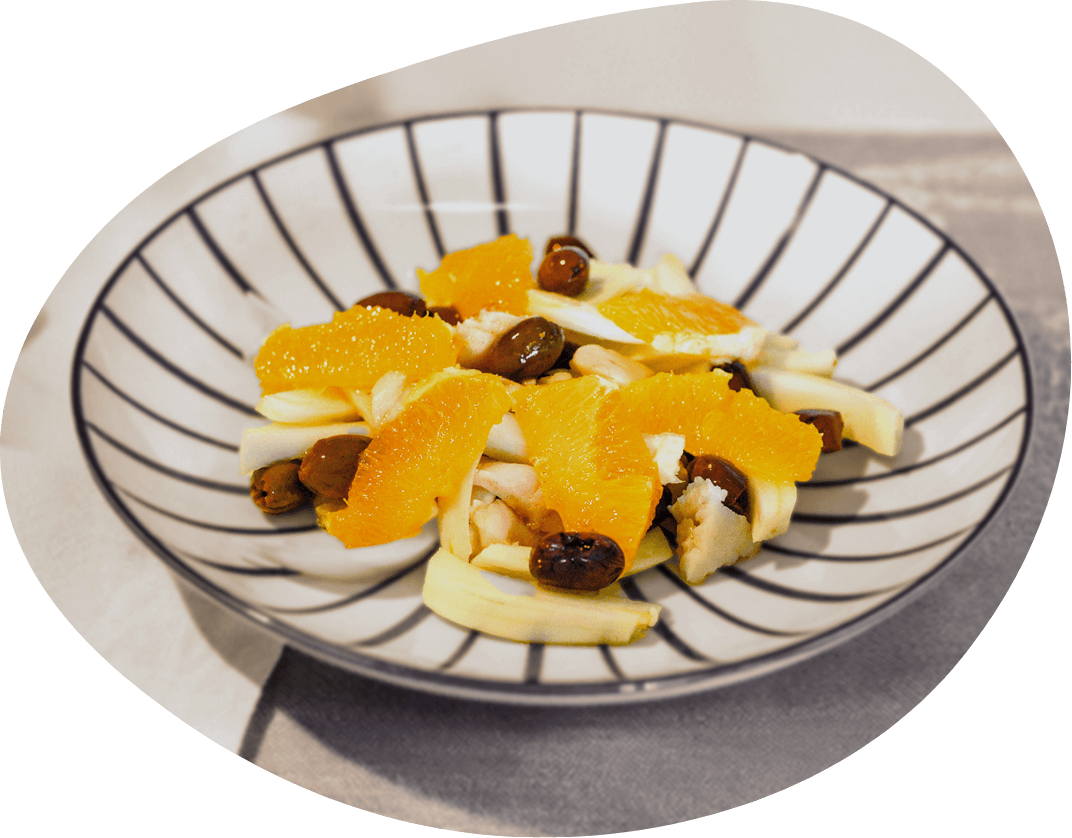
Food pairings
White meats, fish and seafood. Olives preserved in oil, especially when pitted, are excellent in salads. They are also worth trying in the famous “spaghetti alla puttanesca”, as an alternative to the classic Gaeta olives.
Drink
pairings
For naturally fermented olives, fresh and light white wines such as Vermentino or Chardonnay, but also sparkling wines.
Characteristics
The Leccino olive is one of the most widespread cultivars in Italy and abroad: it is also grown in the United States, Argentina, South Africa and Australia. The fruit is medium-sized, with the flesh detaching relatively easily from the stone. As a table olive, it is valued for its ability to enhance the flavours of dishes without overpowering them, making it a popular choice in cooking. It is a highly versatile olive, well suited to various dishes, whether as an accompaniment in appetisers or as a condiment, making it a favourite among food enthusiasts.
Did you know...
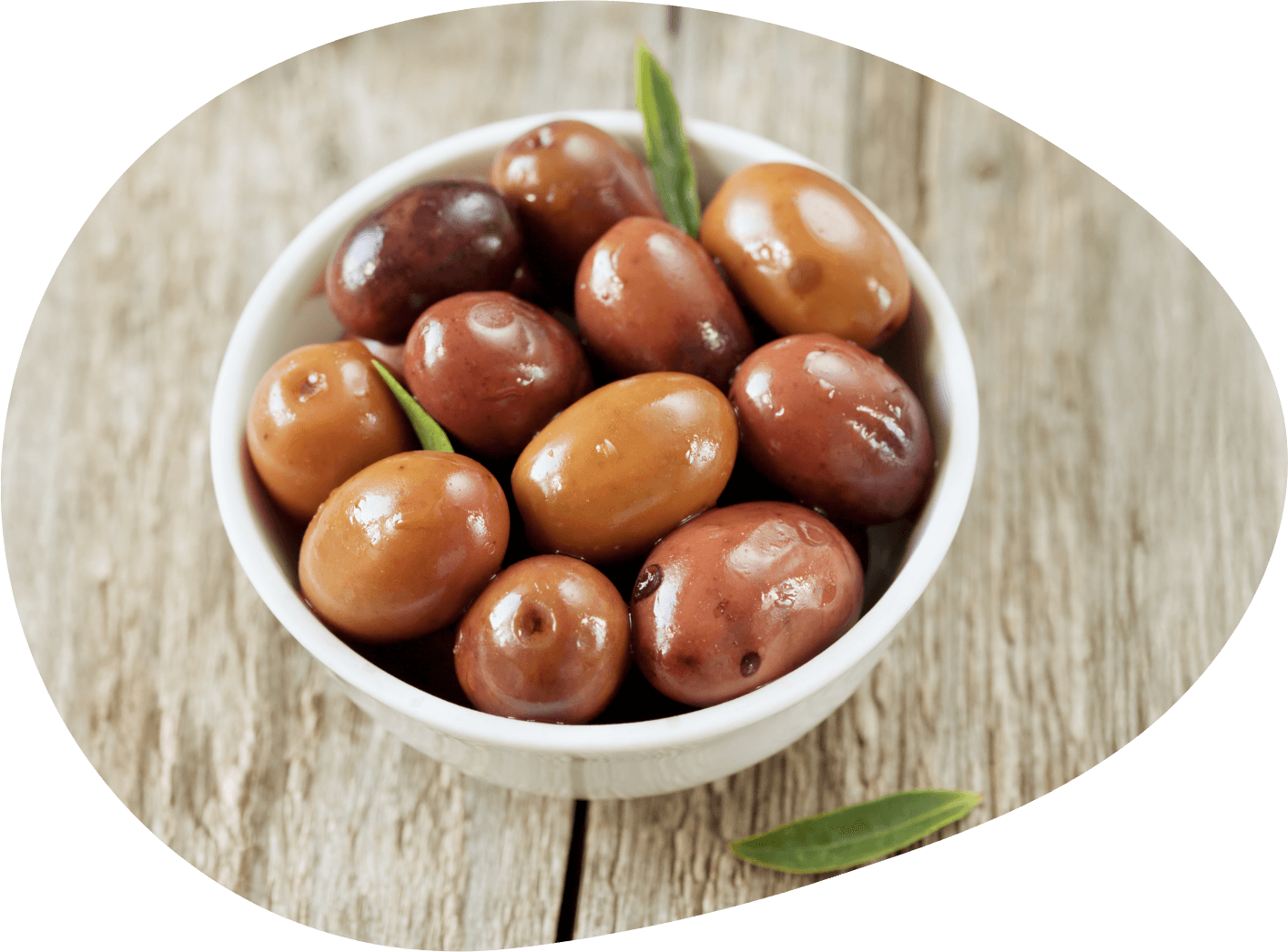
Leccino has always been regarded primarily as a cultivar for olive oil production. In recent years, however, it has become increasingly available as a table olive. Its size often makes it similar – in terms of its appearance and in the pitted versions – to more renowned varieties such as Taggiasca.
The wide national spread of Leccino is due to its high resistance to low temperatures. This trait helped it survive the frost of 1985, which destroyed up to 90% of olive trees in certain areas. Many growers chose to plant the Leccino cultivar to restore their olive groves, in some cases supported by the Forestry Service, which provided seedlings free of charge. Its adaptability to a wide range of soil and climate conditions also contributed to this peaceful colonisation. The only condition it appears to tolerate less well than other cultivars is saline soil.
Leccino has returned to prominence in recent years, insofar as it shows notable tolerance to the bacterium Xylella fastidiosa, which has devastated olive groves in Apulia for several years. In one specific study, among 61 Leccino plants sampled in wild and uncultivated areas, 67% displayed phenotypic traits of high resistance or at least tolerance to Xylella fastidiosa infection. In susceptible cultivars, this figure drops to 49% or even 32%. The mechanisms behind this resistance are not yet fully understood, but some studies have highlighted:
- Lignin deposits. Infected Leccino plants show an increase in quinic acid, a lignin precursor, and in lignin itself, suggesting its role in controlling the pathogen.
- Gene expression studies have found that Leccino “senses” the bacterium when it comes into contact with cell membranes and manages the microorganism-induced response (dieback) by modulating the sugar metabolism and water flow across cell membranes. Furthermore, this genetic trait can be passed on to progeny.
- The role of the microbiota. Unlike other susceptible cultivars, Leccino exhibits less dysbiosis linked to Xylella fastidiosa The microorganisms responsible for maintaining microflora balance in Leccino could also be selected to develop a specific biological treatment.
If the olive tree is widely regarded as a generous plant, then Leccino surely represents one of its finest expressions.


