

Taggiasca Olives
Botanical name
Olea europea var. Taggiasca.
Origin
Italy, Liguria.
Harvest period
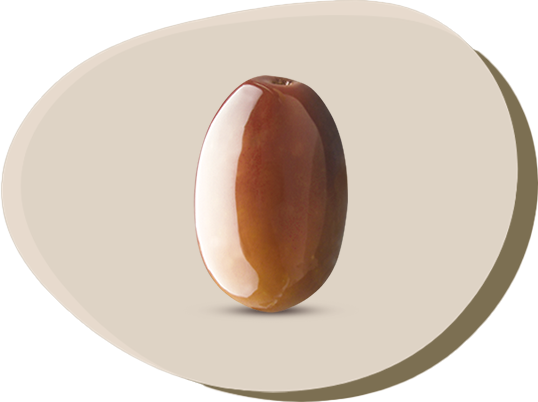
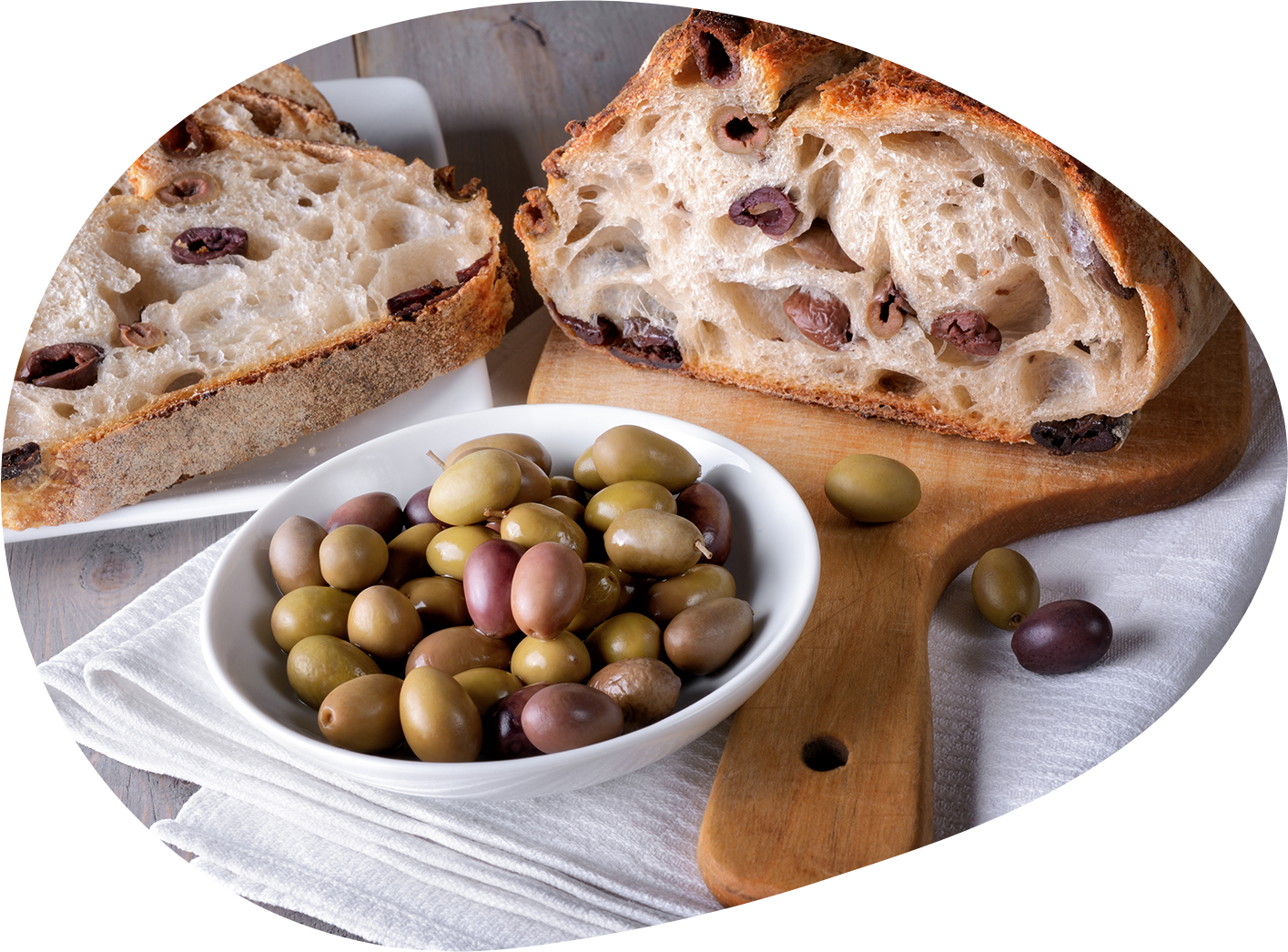
As a late-ripening variety, harvesting begins at the end of October and can continue until April, depending on various factors, most notably altitude, climate and possible pest attacks. For table olives, the fruit must be harvested when ripe but not overripe. Taggiasca ripens gradually, which makes it unique also in terms of its colours. It is generally dark, but the olives often display a remarkable variety of shades, ranging from green to black, with hues of violet and deep brown in between.
Food pairings
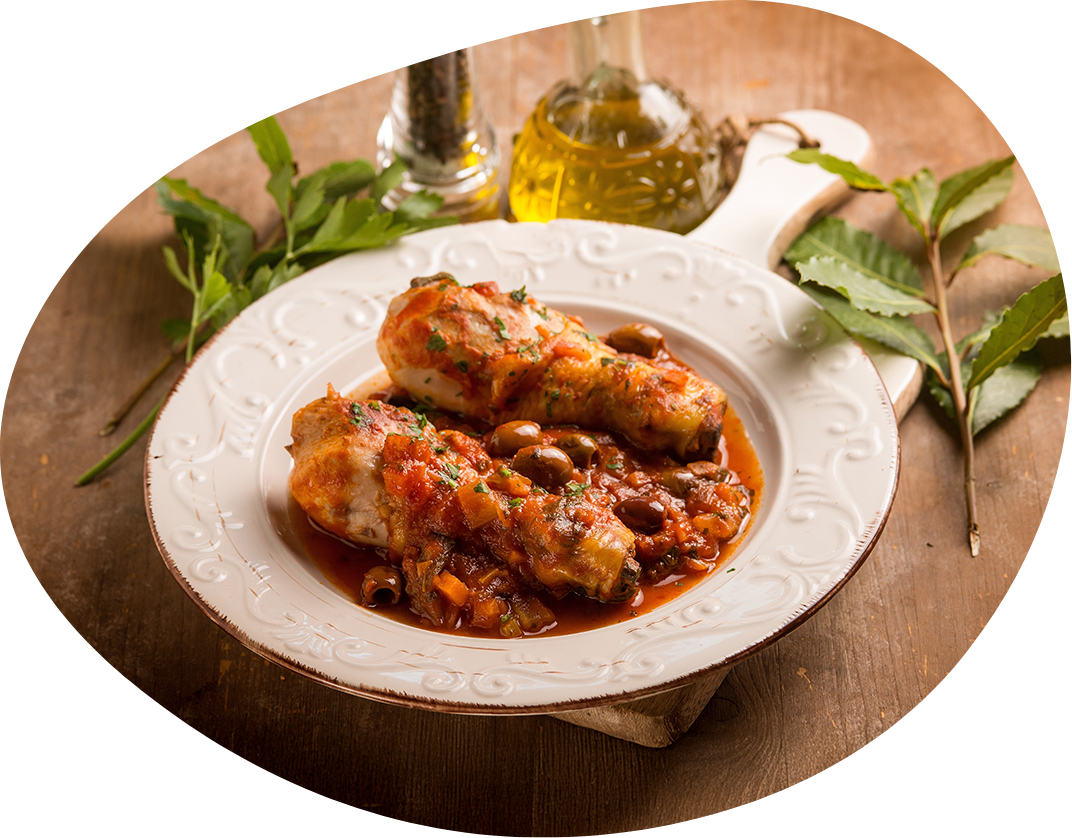
Taggiasca olives have a distinctive aroma, often enhanced by the aromatic herbs used in their brine (such as thyme, bay leaf and rosemary). They remain firm even after fermentation, making them ideal as an ingredient in stewed dishes. Who hasn’t heard of Ligurian-style rabbit or salt cod? And yet Taggiasca, with its delicate sensory profile, proves highly versatile in the kitchen. It is by no means rare to find it in sauces, salads, focaccias and stuffings. In short, it lends itself to fearless experimentation: meat, fish, vegetables – Taggiasca is truly an olive for all seasons. It has even been paired with amaretti, once candied, or with chocolate in pralines filled with a “Taggiasca blend”.
Drink pairings
One need not venture far from Liguria to find excellent grape varieties that pair beautifully with the delicate, aromatic, sweet flavour of naturally fermented Taggiasca olives, which also carry a faintly bitter aftertaste. In fact, local grapes such as Bosco, Albarola, Bianchetta Genovese, Lumassina and Scimiscià have exactly those delicate notes of white fruit and citrus, combined with freshness, acidity and body that pair well with this type of table olive. More structured grape varieties such as Ligurian Vermentino or Pigato, on the other hand, pair well with white meat or seafood dishes where Taggiasca olives are used as an ingredient.
Characteristics
Taggiasca is a dual-purpose cultivar, although Ligurian extra virgin olive oil – renowned worldwide for its light and sweet fruitiness – is what it’s best known for. The drupes are small, elliptical and symmetrical in shape, with a truncated base and rounded apex, containing little flesh and delicate in nature. The skin is thin, with almost no lenticels, appearing smooth and glossy. The flesh detaches easily from the stone. The plant is sensitive to spring frosts and drought, and is also susceptible to attacks by the olive fruit fly and olive knot. On the other hand, it is vigorous, with a high fruit set and consistently high yields.
Did you know...
Taggiasca olives are traditionally found throughout Liguria, but particularly in the western part, where they are the typical – and almost exclusive – variety from the coast up into the hinterland (500–600 m a.s.l.). The name derives from Taggia, a town in the province of Imperia. Studies have also been conducted to profile the terroir of this olive, highlighting the characteristic ranges of rainfall, temperature, altitude, slope, exposure and soil type, including organic matter content and mineral composition.
After around twenty years of pressure from Ligurian producers, Taggiasca olives have obtained approval from the Ministry of Agriculture, Food Sovereignty and Forests for the IGP designation “Olive Taggiasche Liguri”. The documentation is now with the European Commission for final approval. The traditional production process consists of soaking the olives, changing the water daily, for up to 40 days (but typically 15), in order to sweeten them. While these repeated washings prevent the proliferation of undesirable microflora, they also reduce the presence of microorganisms useful for lactic fermentation. After the washing phase, the olives are fermented for 6–8 months, sometimes flavoured with herbs, and packaged either in the same brine or in a new one. Over time, this process has evolved: today, many perform only one washing before brine fermentation. This latter procedure is also the one referenced in the documentation for IGP recognition. The regulations also clearly specify the final harvest date (31 March) and the minimum fermentation period (45 days).
Several studies have been conducted on the microflora that develops during the fermentation of Taggiasca olives, in order to understand its relationship with final quality and to identify the most suitable starter. Some have shown that, unlike other olives where lactic acid bacteria dominate, it is yeasts that play the leading role in the fermentation of the Taggiasca variety. These seem to be chiefly responsible both for debittering and for developing the variety’s specific sensory profile. The studies also showed that the traditional salt concentration in the brine, 12%, is the most suitable for proper fermentation. The fermentation process could nonetheless be further improved by the initial addition of citric or acetic acid, without affecting the physical, chemical or sensory properties of the final product.
As the reputation and value of Taggiasca table olives increases, so too does the risk of falsification. Unfortunately, it is not uncommon to find olives such as Leccino being sold in jars labelled “Taggiasca olives”. The Chemical and Commodity Laboratory of the Chamber of Commerce of Savona has developed a rapid and effective method to distinguish Taggiasca olives using NIRS spectroscopy. This represents an important step in protecting typical products from food fraud. Other studies are exploring how the analytical capabilities of artificial intelligence can be harnessed to further refine existing anti-counterfeiting methodologies.


