

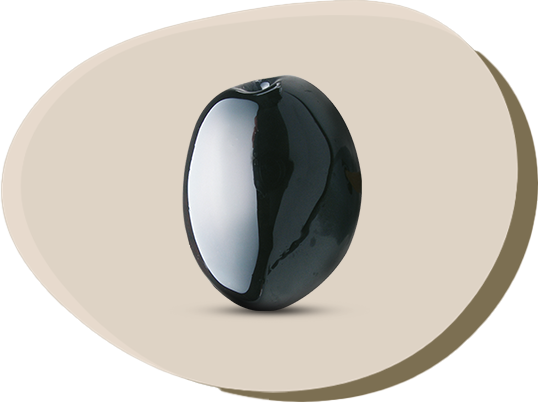
Conservolea Olives
Botanical name
Olea europea var. Konservolia, known as Conservolea.
Origin
Central Greece, Thessaly.
Harvest period
The Conservolea is a dual-purpose cultivar, although in Greece it accounts for around 70–85% of the olive-growing area dedicated to table olives. The harvest period varies, since it can be processed both green and black, but in most cases it is prepared from the ripe fruit.
Food pairings
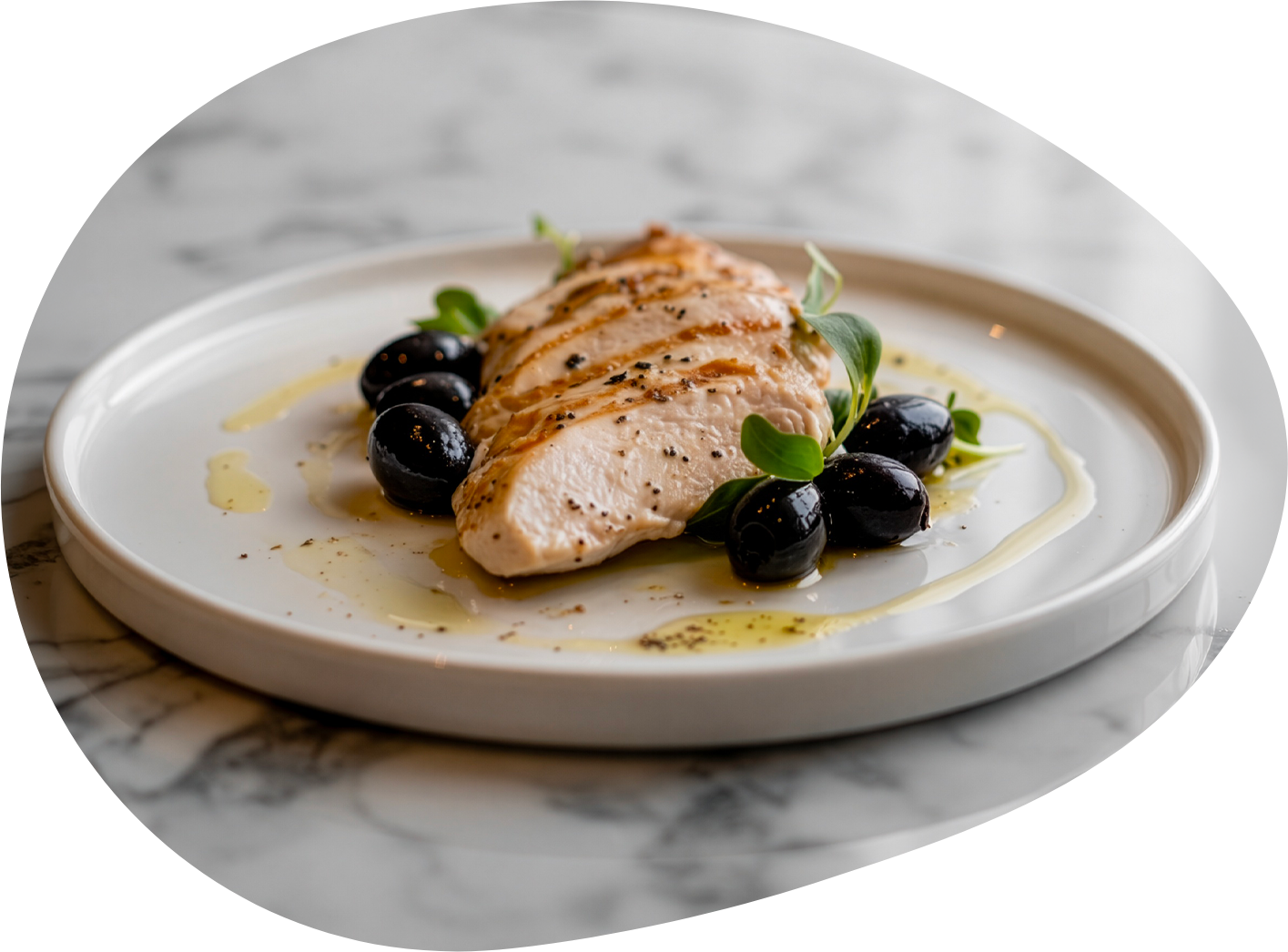
Cheese and cured meats, Mediterranean appetisers and fresh salads. Also excellent in vegetable, chicken or fish-based baked dishes.
Drink pairings
A dry, mineral white wine is ideal with this olive as an aperitif. A local pairing could be with wines from Rhoditis. Alternatively, a Frascati, a Trebbiano or a Pinot Blanc.
Characteristics
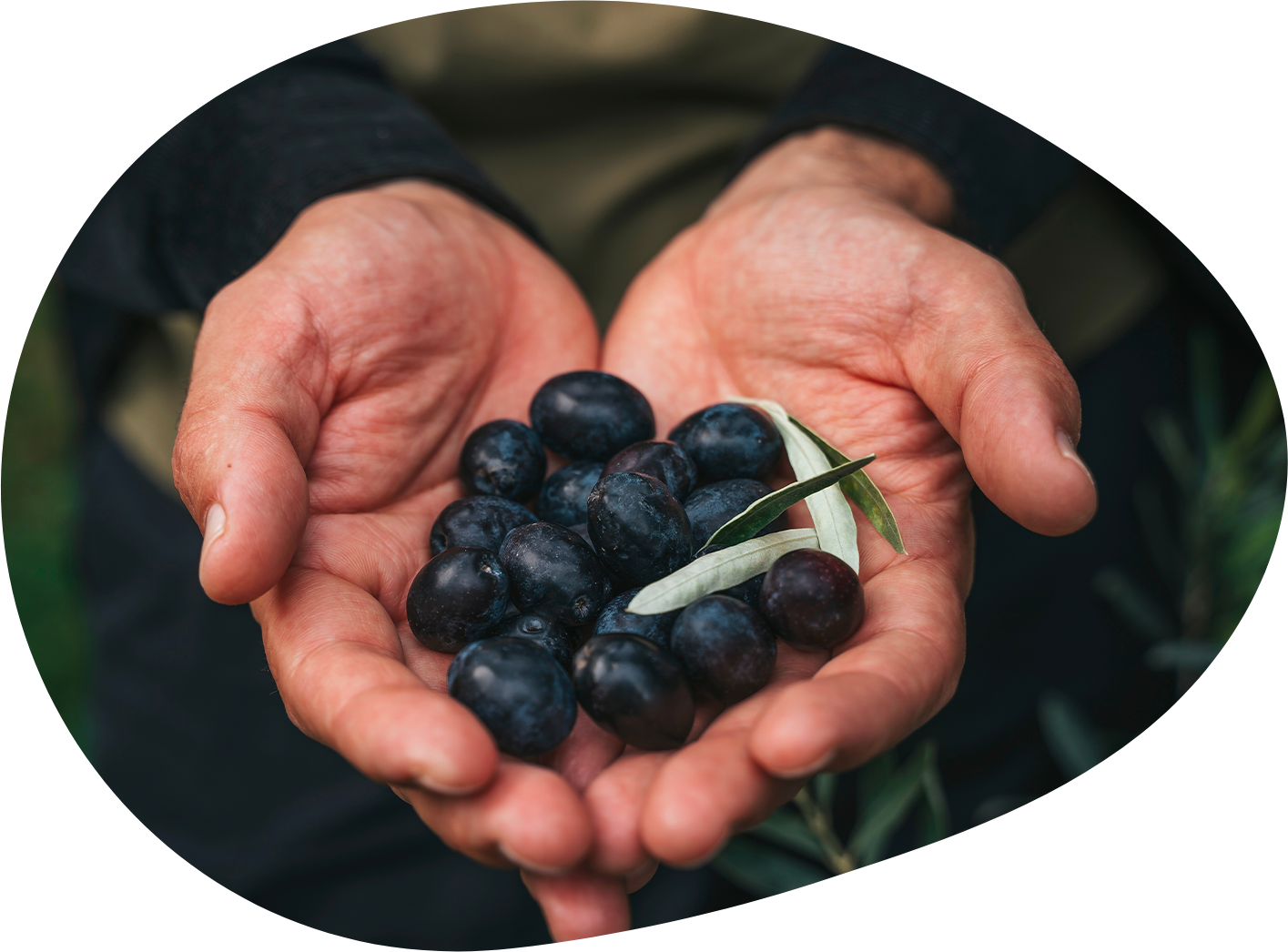
Conservolea olives are large, with an elliptical, asymmetrical shape. The drupes have firm flesh and are resistant to transport and handling. The skin shows numerous small lenticels; it is thin yet elastic and resistant to wrinkling, tolerating saline concentrations of 10% or more. It also appears that the natural fermentation process stabilises the polysaccharides in the cell walls of Conservolea drupes, which likely affects the final texture of the product. Given these and other features, this variety proves to be one of the best for producing natural black olives in brine. The tree is cold-hardy but moderately sensitive to drought; unsurprisingly, it shows strong vigour and a spreading habit when irrigated. Nevertheless, a study revealed that trees subjected to water deficit (receiving one-fifth of the normal supply) during the stone-hardening and fruit growth phase produced olives of similar quality, yield per hectare and sensory profile, but with a higher oil content, slightly better physical-chemical parameters, and a higher monounsaturated to polyunsaturated fatty acid ratio.
Did you know…
There are many types of Conservolea: Stylidas, Atalantis, Artas, Piliou Volou, Amfissis and Rovon, each with its own sensory traits and suitability as either table or oil olives. Since they often take the name of their area of origin, it is likely that the differing terroirs are what impart their distinct characteristics.
Conservolea is widely used as a table olive by the large-scale industry, particularly in Greece. As a result, several studies have focused on the physiology of the fruit, aiming to manage ripening so that the olives reach the desired stage at the right time. Since olives are non-climacteric fruits, it is difficult to control their ripening in storage, and to date, these experiments have had limited success. Delaying ripening directly on the tree may hold more promise, though little research has been done on this technique. Currently, there is only one patent, based on experiments with the Manzanilla cultivar, and no registered commercial formulations exist for this olive.
The current practice in the Greek table olive industry of acidifying the brine at the start of fermentation has been supported by scientific studies, which show that Conservolea undergoes a particularly stable fermentation process. These studies also suggest that the traditional olive washes could be reduced to two without affecting the final result, thereby saving resources and energy. Further research is also underway to select lactobacilli and yeast cultures that could serve as specific starters for fermentation, as is done with other cultivars.


